






Signs, Effects, and Treatment Options for Alcohol Addictions
Find compassionate alcohol addiction treatment Johannesburg to reclaim your health, relationships and daily life with accredited rehab and medical aid support
Talk to our admissions team
Alcohol addiction, clinically referred to as Alcohol Use Disorder (AUD), is a chronic and progressive condition that affects millions of people and their families globally.
Alcoholism is characterised by a compulsive need to drink despite harmful consequences. AUD significantly impairs health, relationships, and overall quality of life. Understanding the signs, life impacts, and effective treatment options is crucial for those with drinking problems seeking meaningful, long-term recovery.
At Changes Rehab in Johannesburg, we specialise in evidence-based treatment for alcohol addiction. Our facility offers the full continuum of care, delivered by a multidisciplinary team with over 120 years of combined experience. We are fully licensed and accept medical aid, ensuring access to quality care for more South Africans.
What is Alcohol Use Disorder?
AUD is a medical condition involving impaired control over alcohol use, preoccupation with alcohol, and continued use despite adverse consequences. It ranges in severity from mild to severe, based on 11 criteria defined by the DSM-5:
- Consuming more alcohol than intended
- Unsuccessful efforts to cut down
- Spending a lot of time drinking or recovering from its effects
- Cravings or strong urges to drink
- Failing to fulfil obligations at work, home, or school
- Continuing to drink despite social or interpersonal problems
- Giving up important activities due to alcohol use
- Drinking in hazardous situations (e.g. driving)
- Continued use despite physical or psychological issues caused by alcohol
- Developing tolerance
- Experiencing withdrawal symptoms
Meeting 2–3 criteria indicates mild AUD, 4–5 indicates moderate AUD, and 6 or more signifies severe alcohol addiction.
Signs and Symptoms of Alcohol Addiction
Recognising the symptoms of alcohol addiction early can be life-saving. These can be divided into physical, behavioural, and emotional categories.
Physical Signs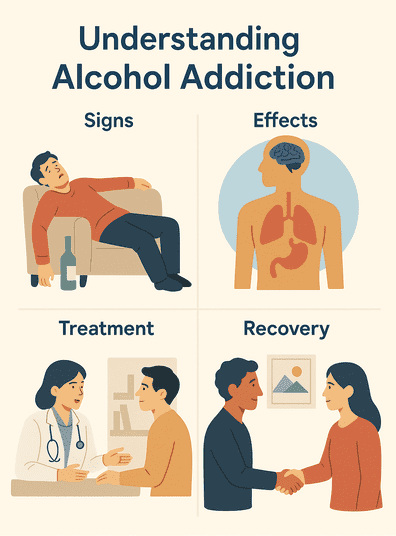
- Increased tolerance to alcohol
- Withdrawal symptoms (sweating, shaking, nausea)
- Frequent hangovers
- Weight changes and fatigue
- Alcohol-related health issues (e.g. liver problems, high blood pressure)
Behavioural Signs
- Drinking alone or in secret
- Neglecting work, school, or family responsibilities
- Losing interest in hobbies or activities
- Legal or financial troubles related to drinking
- Making excuses to drink or downplaying the problem
Emotional Signs
- Mood swings, depression, or irritability
- Anxiety, especially when not drinking
- Feelings of shame or guilt
- Denial about the extent of the problem
- Social withdrawal
How Alcohol Affects the Brain and Body
Long-term alcohol addiction alters brain chemistry, especially in areas related to reward, stress, and self-control. The brain begins to rely on alcohol to release dopamine, the “feel-good” neurotransmitter. Over time, this leads to tolerance, dependence, and difficulty experiencing pleasure without alcohol. Chronic use also shrinks brain tissue and impairs memory, learning, and emotional regulation.
Physically, alcohol weakens the immune system, raises blood pressure, and damages major organs such as the liver and pancreas. Liver diseases—ranging from fatty liver to cirrhosis—are common in those with chronic AUD. Pancreatitis, digestive problems, and increased cancer risk are also significant concerns.
The Stages of Alcohol Addiction
Understanding the progression can aid in early intervention:
- Pre-Alcoholic Stage – Drinking for stress relief or social reasons begins to escalate.
- Early Alcoholic Stage – Tolerance increases, blackouts begin, and guilt sets in.
- Middle Stage – Physical dependence develops. Family and work life suffer.
- Late Stage – Health deteriorates. Isolation increases. Professional help for alcoholism becomes critical.
The Importance of Early Intervention
Intervening early in someone’s drinking problem can prevent years of harm. Evidence shows that outcomes are significantly better when treatment is accessed before the addiction has caused irreversible damage. Families and friends often recognise warning signs before the person struggling with alcohol does. Engaging a trained interventionist, having open conversations, and seeking assessments from treatment professionals are key early actions.
A Real-World Story of Recovery
Mark, a 42-year-old Johannesburg executive, entered Changes Rehab after years of high-functioning alcoholism. Despite career success, his health and marriage were crumbling. Through a combination of medical detox, trauma therapy, and aftercare planning, Mark has been sober for two years. His story reminds us that recovery is possible, regardless of how far the disease has progressed.
Common Myths About Alcohol Addiction
Myth 1: “Addiction is a choice.”
Addiction is a recognised brain disease with genetic, psychological, and environmental contributors. It is not a matter of willpower.
Myth 2: “If they loved us, they’d stop.”
Addiction often overrides emotional priorities. Even those who deeply love their families may struggle to quit without help.
Myth 3: “Only daily drinkers are alcoholics.”
Binge drinking and periodic heavy use can also signal AUD and require professional treatment.
Myth 4: “Rehab is a last resort.”
Early intervention greatly improves outcomes. Rehab is most effective when started before a crisis.
The True Cost of Alcohol Addiction
Beyond the toll on health, untreated alcohol addiction can have devastating financial, legal, and social consequences. Individuals may face job loss, mounting debt, criminal charges (e.g. DUI), or strained custody battles. The economic cost extends to employers and society through decreased productivity, absenteeism, and increased healthcare expenditure.
Families often bear an invisible cost—emotional burnout, co-dependency, and strained relationships. Children growing up in alcoholic households are at significantly higher risk for emotional problems and substance use later in life.
The Impact of Alcohol Addiction on Family Life
Alcohol addiction not only affects the person drinking, it also profoundly impacts spouses, children, and extended family members. Families often live in fear, uncertainty, or denial. Children may feel neglected, assume adult responsibilities too early, or struggle with shame and secrecy. Spouses may suffer from anxiety, resentment, or trauma.
Family involvement in treatment, through counselling and education, helps repair trust and improve recovery outcomes. At Changes Rehab, family programmes offer loved ones the chance to understand addiction as a disease and learn how to support recovery in healthy, non-enabling ways.
Relapse Prevention: Planning for Long-Term Recovery
Relapse is not a failure, it is often a part of recovery. However, planning for it can significantly reduce the risk. Common triggers include stress, boredom, social pressure, or untreated co-occurring disorders. A relapse prevention plan includes:
- Identifying high-risk situations and emotions
- Developing alternative coping strategies
- Regular therapy or support group attendance
- Setting realistic goals and healthy routines
- Ongoing communication with sponsors or mentors
Changes Rehab provides clients with a structured, individualised relapse prevention plan before discharge. Clients are also connected to follow-up support to ensure they’re never alone in their recovery journey.
Alcohol Addiction in South Africa: A Public Health Challenge
According to the World Health Organisation (WHO), South Africa has one of the highest rates of alcohol consumption in Africa. Alcohol misuse is a leading contributor to injuries, gender-based violence, and non-communicable diseases in the country.
Many communities lack accessible treatment resources, and stigma still prevents people from seeking help. Changes Rehab advocates for public education and expanded alcohol addiction treatment in Johannesburg. We aim to be a trusted place where people find real, lasting recovery with dignity and respect.
Choosing the Right Rehab: What to Look For
When choosing a treatment centre, it’s essential to evaluate more than just location and cost. Here’s what matters:
- Accreditation: Ensure the facility is licensed and recognised by health authorities.
- Staff Qualifications: Look for a multidisciplinary team with experience in addiction, trauma, and mental health.
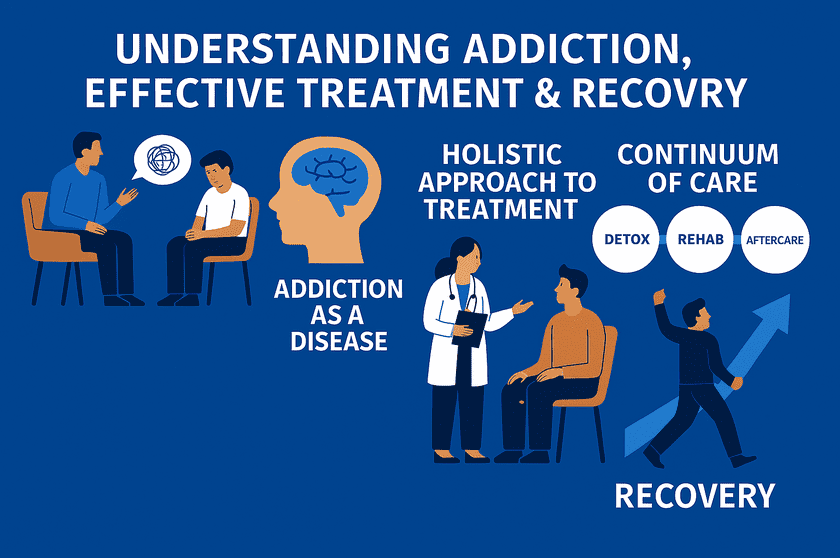
- Continuum of Care: Inquire whether they provide detox, residential care, outpatient, and aftercare support.
- Family Integration: Quality programmes involve families in the healing process.
- Customisation: Effective treatment plans are tailored, not one-size-fits-all.
- Evidence-Based Methods: Seek programmes that use therapies supported by research (CBT, DBT, MET, etc.).
- Relapse Planning: Ask what support is offered post-discharge.
Changes Rehab meets all these criteria and more. Our patient-centred philosophy ensures each client receives deeply personalised, compassionate care from qualified alcohol rehab professionals from day one.
Recovery Support Beyond Rehab
Recovery continues long after discharge. Sustained sobriety often depends on the following:
- Sober Living Environments: Structured living in a halfway house helps individuals adjust post-treatment.
- Support Groups: Attending AA, NA, or SMART Recovery offers connection and accountability.
- Therapy & Coaching: Ongoing aftercare, one-on-one or group sessions, reduce relapse risk.
- Health & Wellness: Nutrition, exercise, and mindfulness are powerful recovery tools.
- Community Reintegration: Volunteering, employment assistance, and social engagement help build purpose.
At Changes, we help clients build robust aftercare plans designed to support long-term success.
How long does treatment take?
Most programmes range from 21 days to 3 months, depending on individual needs.
Can I use medical aid?
Yes. We work with most South African medical aid providers and assist with pre-authorisation.
What makes Changes Rehab different?
Our rehab in Joburg, experienced team, trauma-informed approach, full spectrum of care, and emphasis on long-term recovery set us apart.
Is relapse common?
Relapse can be part of the recovery process. What matters is having a plan, support, and clinical guidance to bounce back stronger.
Can I still work or see my family during treatment?
Yes, depending on the programme structure. Outpatient and family-integrated models offer flexibility.
What does a typical day in treatment look like?
Clients participate in a structured schedule of therapy, psychoeducation, wellness activities, and reflection time, all guided by trained professionals.
What happens after I leave treatment?
We develop a custom aftercare plan including ongoing therapy, support group referrals, and regular check-ins to promote long-term alcohol recovery programs.
Why Choose Changes Rehab?
- 120+ years of collective experience
- Multidisciplinary, accredited team
- Trauma-informed, person-centred care
- Licensed and recognised by major medical aids
- Located in Johannesburg North, serving clients from across South Africa
Take the First Step Towards Recovery
If you or a loved one is struggling with alcohol addiction, you don’t have to face it alone. At Changes Rehab, we offer compassionate, expert care tailored to your individual needs. Our medical aid-approved programmes provide the structure, support, and clinical excellence needed to achieve lasting recovery.