







Are you being sober shamed? Sober shaming is a social phenomenon where people face criticism or mockery for choosing not to drink alcohol. This behaviour can make non-drinkers feel uncomfortable or guilty about their personal choice to abstain. Some common forms of sober shaming include:
• Pressuring others to drink • Making jokes about teetotallers • Questioning someone’s decision not to drink • Excluding non-drinkers from social events
Sober shaming can happen in various settings, from casual gatherings to work functions. Sometimes, people may not realise they are engaging in this behaviour, viewing their comments as harmless banter. However, it can be hurtful for those on the receiving end and potentially derail recovery efforts.
Common Questions About Sober Shaming
What behaviours count as sober shaming?
Sober shaming can take many forms. It may involve pressuring someone to drink when they’ve chosen not to. People might make fun of non-drinkers or exclude them from social events. Some may question or criticise a person’s choice to be sober. Even subtle comments that make someone feel awkward for not drinking can be sober shaming.
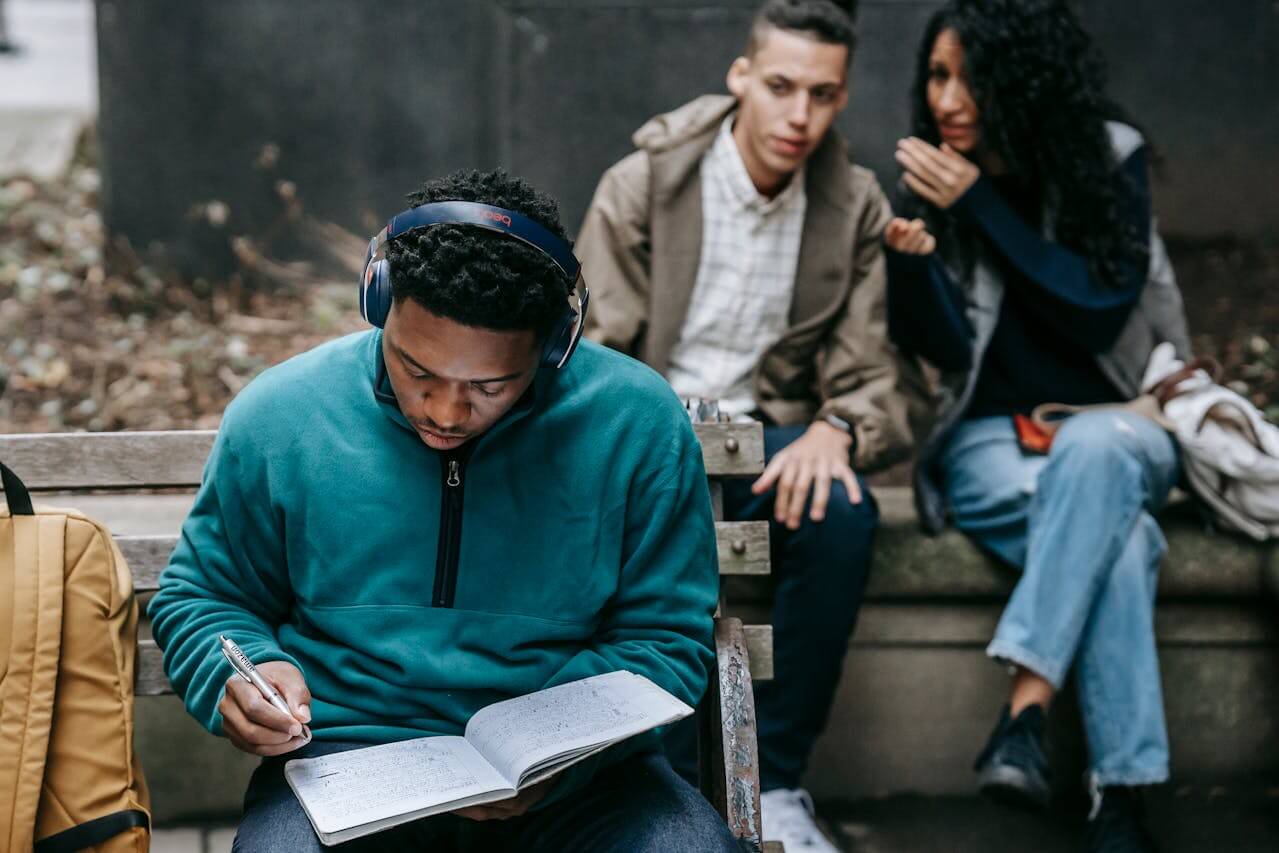
How can one handle being shamed for not drinking?
When faced with sober shaming, one can:
- Calmly explain their choice not to drink
- Set clear boundaries with others
- Suggest alcohol-free activities
- Find supportive friends who respect their decision
- Practice responses to common shaming comments
- Remember that sobriety is a positive, healthy choice
What effects can sober shaming have on mental wellbeing?
Sober shaming may negatively impact mental health in several ways:
- Increased anxiety in social situations
- Feelings of isolation or exclusion
- Lowered self-esteem
- Added stress to maintain sobriety
- Shame that acts as a barrier to seeking help if needed
- Doubts about one’s decision to be sober
How might awareness be raised about sober shaming’s harm?
To increase awareness about sober shaming:
- Share personal stories of its impact
- Educate people on reasons for sobriety
- Promote inclusive, alcohol-free social events
- Challenge drinking culture in media and advertising
- Encourage open discussions about alcohol use
- Support campaigns that highlight sober shaming’s negative effects
What makes an environment supportive versus prone to sober shaming?
Supportive environments:
- Offer non-alcoholic drink options
- Don’t centre all socialising around alcohol
- Respect individual choices about drinking
- Avoid pressuring anyone to drink
- Include everyone regardless of alcohol use
Environments prone to sober shaming:
- Make drinking the focus of all gatherings
- Exclude non-drinkers from activities
- Question or mock those who don’t drink
- Pressure people to drink against their wishes
- Treat non-drinkers as outsiders
Are there legal protections against sober shaming discrimination?
While there aren’t specific laws against sober shaming, some legal protections may apply:
- Workplace discrimination laws if sobriety is related to a protected condition
- Disability rights laws for those in recovery from alcohol use disorder
- General harassment policies in some settings
- Right to refuse service laws for bars and restaurants
It’s important to note that social sober shaming often falls outside legal protections. Cultural change is needed to address this issue fully.