







Tailored Counselling To Manage Addiction Triggers And Underlying Causes
Could tailored one to one counselling help you identify and manage the triggers and underlying causes of your addiction?
Most people don’t arrive at Changes excited about counselling. They arrive overwhelmed, embarrassed, guarded, and tired of people asking them what’s wrong. For many, “talking about feelings” is the last thing they want to do. But counselling at Changes isn’t about spilling secrets or reliving trauma because someone tells you to. It’s about working with professionals who actually understand addiction, anxiety, depression, trauma, and the emotional storms that drive relapse, people who know how to contain the chaos without judging the person sitting in front of them.
Counselling in addiction treatment isn’t some mystical deep dive into childhood wounds. It’s a structured, confidential space where you can finally stop pretending you’re fine. It’s the one room where you don’t need a mask, where your worst moments don’t shock anyone, and where your story doesn’t get you punished, shamed, or dismissed. The point isn’t to interrogate you. The point is to stabilise your life, identify what keeps pulling you back to substances, and help you build the internal strength that addiction has been eating away for years.
Why Counselling Matters More Than People Realise
Addiction isn’t just about substances. It’s the emotional engine underneath, the racing thoughts, the guilt loops, the shame, the unresolved trauma, the loneliness, the pressure to hold everything together, the patterns you promised yourself you’d break but didn’t know how. Counselling is where those patterns finally get unpacked, not to blame you, but to give you back control. When people try to get clean without counselling, they end up fighting the same battles with the same tools that failed them before. Counselling gives you new tools, new strategies, and a new understanding of why you keep doing what you swore you wouldn’t.
Substance use is the symptom.
Counselling deals with the system behind it.
A Multidisciplinary Team That Covers What One Person Can’t
One counsellor cannot solve everything, and that’s why Changes doesn’t rely on one. Addiction is messy, layered, and influenced by biology, psychology, trauma, environment, relationships, and daily functioning. That’s why the counselling team works inside a wider clinical matrix that includes psychologists, psychiatrists, social workers, occupational therapists, medical staff, and recovery assistants. Every one of them sees a different part of the puzzle.
If your anxiety spikes at night, the nurses see it. If you shut down emotionally in groups, your counsellor sees it. If trauma starts bubbling up unexpectedly, the psychologist steps in. If boundaries collapse at home, the family systems team catches the pattern. If you’re struggling with basic functioning, the occupational therapist works with you. If mood swings point to something deeper, the psychiatrist stabilises it.
You’re not alone with one therapist trying to guess what’s going on.
You have a whole team that actually speaks to each other, and works around who you are, not who the textbook says you should be.
For the Person Who Doesn’t Want to Talk
If you’re resistant to counselling, we start there, with the resistance itself. You don’t get pushed, cornered, or emotionally ambushed. You get room to breathe. Many people haven’t spoken honestly in years, not because they’re liars, but because life taught them that honesty caused trouble. Some were punished for being emotional. Some learned to shut down. Some grew up believing vulnerability was weakness. Some simply don’t know what they feel.
Your counsellor doesn’t expect you to arrive “open.” They expect you to arrive honest about not wanting to open up. That’s enough to start.
Counselling at Changes is not an interrogation. It’s containment.
It’s the first safe room you’ve had in years.
The Confidentiality
One of the biggest barriers to counselling is fear, fear of being judged, fear of getting in trouble, fear of being exposed. At Changes, confidentiality is non-negotiable. What you say in the room stays in the room, unless there’s an immediate medical or safety risk. This boundary is what allows people to talk about cravings, shame, fear, suicidal thoughts, relapse fantasies, grief, resentment, trauma, and secrets that never made it past their own internal walls. Counselling works because it protects you while you unravel what addiction has been holding together with duct tape.
The Real Work
Counselling helps you see the patterns you’ve been trapped in: why you reach for substances in certain emotional states, why you self-sabotage when things improve, why guilt sends you backwards, why anger turns into drinking, why loneliness feels unbearable, why relationships fall apart, and why shame makes recovery feel impossible. It helps you rebuild emotional regulation, reconnect with yourself, develop boundaries, understand triggers, manage cravings, and prepare for the real world after treatment.
People think counselling is about “talking.” But the truth is, counselling is about understanding.
And understanding is the first weapon that addiction can’t outsmart.
Inside the Team
Your counsellor isn’t working alone. They’re in constant communication with the psychologist who sees your deeper patterns, the psychiatrist who manages mood instability or trauma reactions, the social worker who helps stabilise the family system, and the occupational therapist who helps rebuild functioning. That means you don’t get fragmented care. You get coordinated treatment that actually responds to who you are and what you need.
Counselling becomes the anchor point of the whole programme, the place where everything gets integrated, explained, and translated into a plan you can live with.
Why Counselling Helps People Who Swore They Didn’t Need It
It’s common for people to enter treatment convinced they “just need detox,” “just need to stop drinking,” “just need to sleep,” or “just need a break.” But detox doesn’t fix emotional patterns. White-knuckling doesn’t build coping skills. And time away doesn’t rewrite the thinking that keeps pulling you back into the same cycle.
Counselling is where the shift happens.
It’s where substance-free clarity meets emotional support.
It’s where people finally see themselves clearly enough to change.
The most resistant clients often become the ones who value counselling the most, because for the first time, someone is listening without fear, without judgment, and without an agenda.
Counselling Beyond Rehab
Addiction doesn’t disappear when you leave the building, and neither does the emotional world that fuels it. Counselling becomes the bridge between the structured safety of treatment and the unpredictable reality of home, work, relationships, and stress. Continued therapy helps prevent relapse, stabilise mood, manage panic, rebuild trust, and maintain momentum long after the initial crisis has passed.
Recovery is not held together by willpower.
It’s held together by insight, structure, support, and emotional awareness, all of which counselling builds one conversation at a time.
Before you meet the team, it’s important to understand something that most rehabs never say out loud: we’ve been where you are. Not in theory. Not in textbooks. In real life. Every counsellor at Changes brings clinical training, yes, but more importantly, they bring lived experience of the fear, denial, chaos, shame, and exhaustion that make this decision feel impossible. We know what it’s like to sit on the fence, unsure whether you can do this, unsure whether counselling will help, unsure whether you even deserve help. The first step isn’t about bravery. It’s about choosing the right people to walk with you while your life steadies again. Our counsellors aren’t distant professionals delivering rehearsed lines. They’re human beings who have faced their own addictions and made their own changes. They know what real recovery looks like, messy, honest, uncomfortable, and ultimately possible. And they’re here to help you do the same, one grounded conversation at a time.

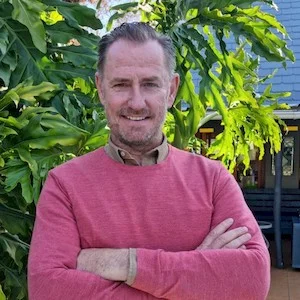




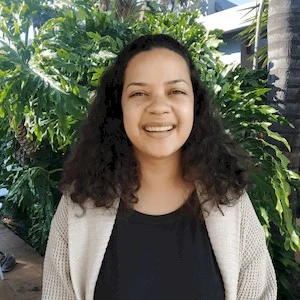
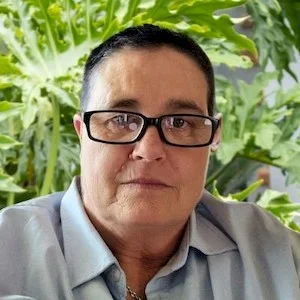

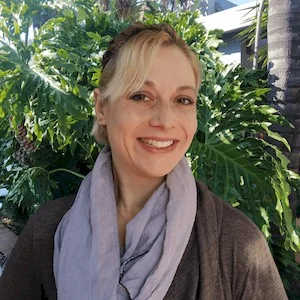
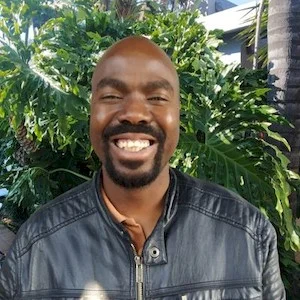

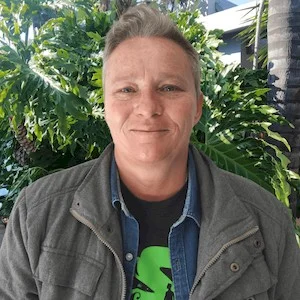
Ingrid Ter Horst
Recovery Assistant

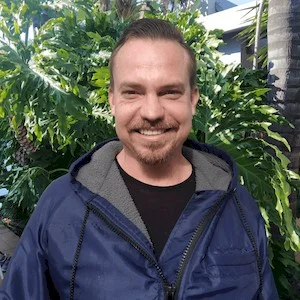
Bruce Hesom
Intake Coordinator
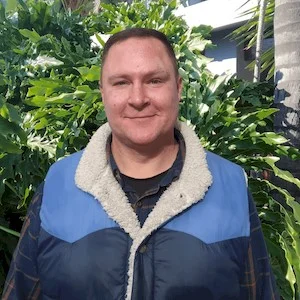
JP Le Roux
Recovery Assistant

Tanya Figueiredo
Office Manager

Addiction and mental health treatment that connects the dots.
Changes Rehab Johannesburg has been in continuous operation since 2007, with a multidisciplinary team that treats substance use and co-occurring mental health issues under one roof.