






Despite many signs indicating an alcohol addiction in a friend or relative, many families wait until the consequences are extremely severe before they take action. If you are asking the question Does my loved one have a drinking problem, there are probably already strong indicators of addiction. But to help you clear up any confusion, answer the questions below to find out if it is time to get professional help and get your loved one into an addiction treatment centre.
Addiction is a progressive illness and your loved one may change slowly over time making it difficult to tell if he or she is addicted or dismiss certain red flags. Often, families do not want to accept the truth themselves, and keep themselves in denial as a result.
However, there are a number of tell-tale signs displayed by a person who is addicted to substances.
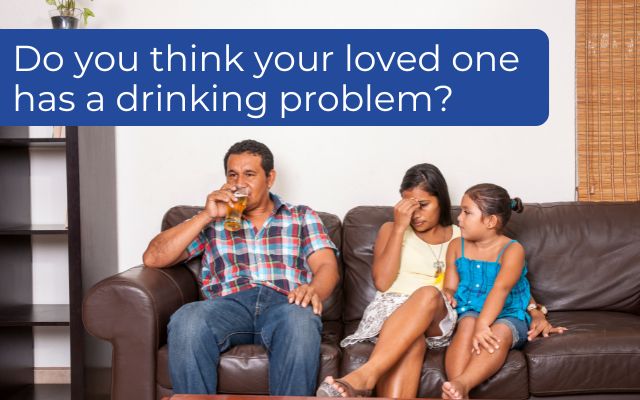
Does My Loved One Have a Drinking Problem? 10 Key Questions
If you answer ‘yes’ to two or more of the following questions, your loved one might have a drinking problem.
- Has your loved one’s personality noticeably changed?
- Has your loved one become increasingly demotivated, irritable and agitated?
- Has your loved one’s performance at school or work declined?
- Have you noticed physical changes such as weight gain or loss, bloodshot eyes, trembling hands and profuse sweating?
- Have you noticed changes in daily routines including sleeping and eating habits?
- Have you noticed that your loved one is not interested in maintaining a decent level of personal hygiene?
- Does your loved one have an increased need for money or has financial problems?
- Are things starting to go missing around the house?
- Has your loved one’s friends and social activities changed?
- Is your loved one defensive when asked if he or she has been drinking alcohol?
If you have answered ‘yes’ to two or more of these questions it is time to take action and get a professional involved to help. Professional assistance can help you get clarity about the severity of your loved one’s problem and assist you with identifying a quality addiction treatment centre. A professional will also be able to assist getting your loved one into addiction treatment through an intervention or to mandate them into a facility involuntarily through a court order.
Find out more about court orders and why involuntary addiction treatment works by reading this: Does Involuntary Rehab Work?









Codependency and Denial
If you find yourself making excuses for your friend or relative who you know has a drinking problem and needs addiction treatment, you might codependent. This may mean you need help from a professional to address problematic family dynamics and break free from harmful roles you may be unconsciously playing. Families often need a lot of guidance on how to stop enabling by setting and enforcing healthy boundaries. These boundaries will not only improve the emotional wellbeing of family members, but also help create an environment that is conducive to recovery.
If you think that you are the one with a problem, click here to find out if you are an addict or alcoholic. Additionally, read about the 12 patterns of denial to see if you are unwittingly keeping yourself in denial of your addiction.
In this blog we have helped you understand whether or not your loved one has a drinking problem with the help of 10 specific questions. If you are worried it is important to seek professional help right away as addiction is progressive and can be fatal.
Do you need professional help or an obligation-free assessment for your loved one? Contact us today.
Recognizing the Urgency to Act Fast
The realization that a loved one may be struggling with alcohol addiction is both heart-wrenching and alarming. But the true test lies in the speed and precision of your response. If the signs are clear, hesitation can cost dearly. The difference between moderate drinking and excessive consumption may appear subtle, but the implications of delaying intervention can be monumental. Where Does Casual Drinking End and Alcoholism Begin? offers a closer look into distinguishing between social drinking and the onset of addiction. Delays could also worsen alcohol-related brain disorders, which are detrimental both for the affected individual and their surrounding loved ones.
Understanding the Broader Impact
Beyond the immediate implications for the person struggling with alcoholism, the ripple effects touch every family member and close friend. Dysfunctional dynamics often develop in families trying to cope with a loved one’s addiction. The impact of dysfunctional family roles in addiction settings can compound the challenges, adding another layer of complexity to an already stressful scenario. It’s imperative for families to recognize these patterns and seek guidance. Intervention might not only be about the individual with the addiction but also about resetting the family dynamics that might inadvertently be perpetuating the cycle. Taking swift action ensures holistic healing, benefiting not just the individual in question but the entire family and social network surrounding them.
Worried your loved one has a drinking problem learn how to spot common signs in mood behaviour work and relationships and when to seek professional help. Changes team counsellors are here to help you.Is Your Loved One Showing Signs Of A Drinking Problem