


















Sober Living Homes
Tertiary Care Rehab
Changes facilitates two halfway house locations based in Johannesburg. Johannes House in Fairland and Auckland House in Melville are designed to support staged reintegration. Clients face real-world challenges with professional guidance, continue group therapy three times weekly, meet individually with counsellors, and are supported by experienced managers 24/7.
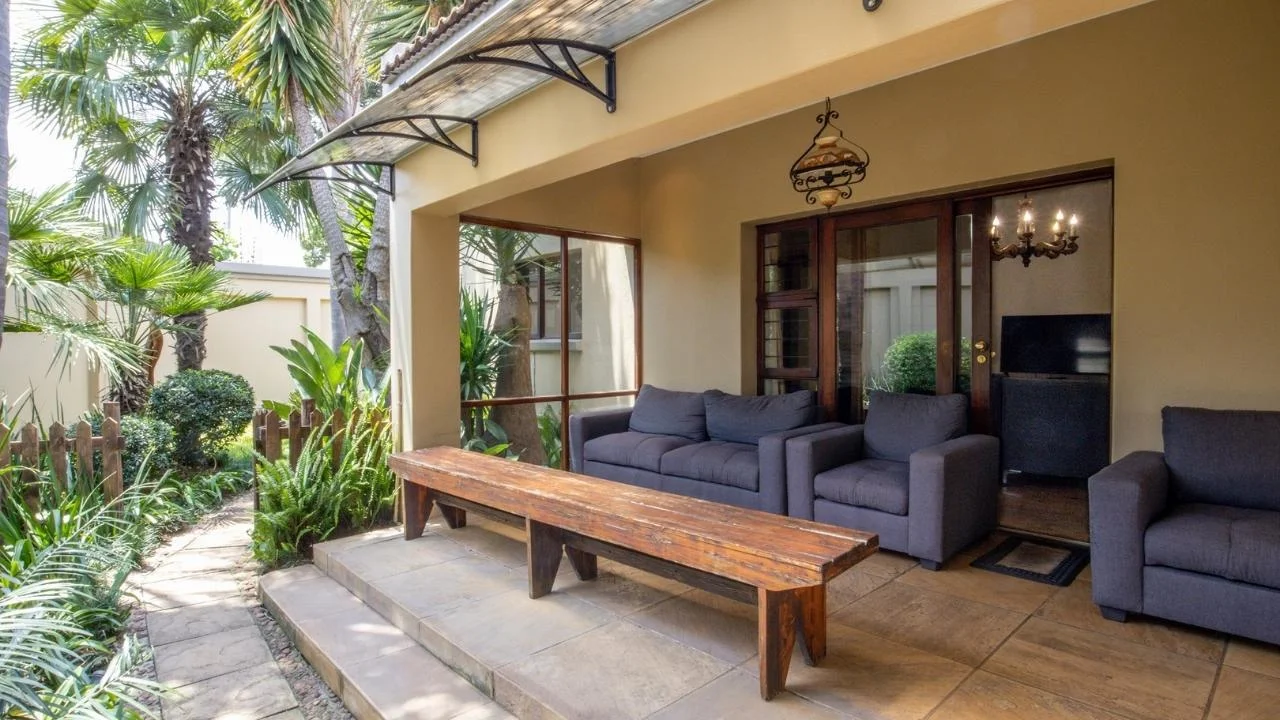
Auckland Halfway House is Changes’ Auckland Park sober living home for people who need a stable step-down base while they rebuild normal life after rehab. This home is built around reintegration that actually works in the real world: showing up consistently, handling daily pressure without collapsing, and rebuilding independence without being thrown back into the deep end.
Auckland is for residents who are ready to start moving again—work, study, responsibilities, healthy routines—but still need a structured environment that keeps recovery active and visible.
Auckland House is located at 87 Auckland Ave, Auckland Park, Johannesburg. Location isn’t a branding detail. It affects how quickly someone can re-enter real routines without spending their day battling logistics. If reintegration becomes a daily frustration exercise, people start skipping commitments, withdrawing, and finding excuses. That’s how drift begins.
Auckland Park is positioned for practical reintegration: access to transport routes, work opportunities, and day-to-day movement that allows residents to rebuild normal functioning without turning every task into a mission.
A Home Built for “Daytime Life”: Work, Study, and Real Responsibilities
Auckland House is designed for residents who need a sober base while they rebuild a “daytime life.” The most common failure after rehab isn’t a dramatic relapse moment—it’s a slow collapse of routine. People sleep late, avoid responsibilities, lose momentum, and then start justifying why nothing is working. Within weeks, the old pattern is back: disengagement first, substances second.
Auckland targets that failure point by creating an environment where the expectation is forward movement. Residents are supported to re-enter work, pursue realistic job-seeking, or build a structured daily programme that looks like life, not like hiding. The home is not there to keep people comfortable; it’s there to make stability repeatable.
Independence Without Chaos
There’s a specific kind of vulnerability after treatment: people feel better, so they start negotiating boundaries. They want later nights, less structure, more freedom, more privacy, fewer check-ins. It sounds like confidence. Often it’s avoidance wearing a new suit.
Auckland is built to force consistency before freedom expands. The logic is simple: if you cannot keep basic commitments reliably, you cannot be trusted with full exposure yet. This is not punishment. It’s safety. People earn autonomy by demonstrating stability repeatedly—because recovery is built on patterns, not promises.
Recovery Without Isolation
Auckland focuses on something many people underestimate: social pattern change. In early recovery, people often cut off old contacts but don’t replace them with anything stable. That gap becomes loneliness, boredom, and a quiet sense that life is empty. Empty life is high-risk life.
Auckland House is designed to reduce isolation while keeping relationships safe. Living with sober peers provides contact without chaos. It also exposes avoidance quickly: when someone starts withdrawing, disappearing into a room, skipping engagement, or turning cynical, it gets noticed. That visibility is protective. Isolation is the relapse staging area in a lot of cases, especially for people who relapse when nobody is watching.
“Recovery Skills” Outside of Therapy
Many people can talk well in therapy and still fail in real situations. Auckland focuses on making skills functional in the moments that matter:
- handling confrontation without rage, shutdown, or disappearing
- managing boredom without seeking stimulation and escape
- dealing with shame without self-destruction
- coping with rejection, disappointment, or uncertainty without impulsive decisions
- maintaining routine when motivation drops
Auckland House is the practical test environment where these skills get used in live situations. That is the point of step-down care. Not learning more words—living differently when your nervous system is activated.
A lot of halfway houses rely on willpower. Willpower is unreliable. Stress kills it. Fatigue kills it. Conflict kills it. Addiction kills it. A sober living environment should not depend on “being strong.” It should be designed to reduce the situations where strength is your only tool.
Auckland is structured to reduce decision overload, reduce exposure to chaos, and keep residents moving forward in manageable steps. That approach doesn’t just “feel supportive.” It measurably reduces relapse risk because it stops the common spiral: overwhelm → avoidance → secrecy → collapse.
Boundaries That Protect Residents
One of the most overlooked risks in sober living is cross-contamination: residents pulling each other into drama, manipulation, romantic entanglements, secrecy pacts, and conflict cycles that recreate the addiction environment with different labels.
Auckland House is designed to protect the environment from that drift. The point is not to control everyone’s personality. The point is to stop the house from becoming a pressure cooker. A stable environment is not nice-to-have in step-down care. It is the foundation. When the environment destabilises, everyone’s relapse risk rises.
Accountability
Accountability in early recovery fails when it becomes shame. Shame makes people lie. Shame makes people hide. Shame makes people isolate and then justify using. A halfway house that “catches you out” but doesn’t help you stabilise turns honesty into risk.
Auckland House aims for accountability that residents can tolerate: consistent expectations, visible routines, and consequences that are predictable rather than emotional. The goal is to keep residents honest enough for intervention to work. That is what keeps people alive long enough to stabilise.
When Home Is the Trigger
Some families want the person home immediately because they miss them, fear losing control, or want normality back. The home environment is often the trigger: conflict, enabling, blame cycles, unresolved trauma, substance use in the household, or constant emotional pressure.
Auckland House is a strong option when “going home” is not a safe plan yet. It gives the family time to stabilise and reset boundaries while the resident builds reliability outside the family pressure cooker. This reduces the classic relapse script: return home → conflict escalates → resident shuts down or explodes → someone rescues or threatens → resident uses → family collapses.
Who Auckland Halfway House Suits Best
Auckland is well suited to residents who are ready to re-enter daily life but need a structured base to keep recovery consistent:
- people returning to work or building job readiness
- people who relapse under boredom, loneliness, or routine collapse
- people who need a stable peer environment to stay engaged
- people whose home environment is emotionally volatile or enabling
- people who need step-down support to rebuild confidence through repetition
This home is not for people looking for a place to hide, negotiate rules, or avoid responsibility. A halfway house only works if the person is willing to be accountable.
The “Freedom Shock”
The first week out of treatment often triggers a freedom shock. People feel exposed, anxious, irritable, and restless. They want quick relief, quick comfort, quick certainty. That’s the same psychological engine addiction used to exploit.
Auckland House doesn’t romanticise that period. It treats it as a predictable phase and stabilises it with routine, engagement, and structured support. The goal is to keep the resident out of improvisation mode—because improvisation is where old patterns sneak back in.
Choose the house that best supports stable routine, realistic reintegration, and lower exposure to personal triggers. Convenience is not the main criteria. Stability is. Some residents do better in one environment than the other depending on family dynamics, work plans, and what destabilises them.
If you’re unsure, Changes will talk it through based on relapse history, current stability, mental health considerations, and what the next phase needs to achieve.
Build a Life, Not Just Abstinence
Auckland Halfway House exists to help people build a functioning life that can carry sobriety: routine, responsibility, social stability, and real-world coping without collapse. It’s the phase where “I’m sober” becomes “I’m stable,” and that difference is what prevents repeated cycles of treatment and relapse.
If you’re looking at placement at Auckland, contact Changes and ask about Auckland Halfway House admissions. The goal is not to keep someone in a protected bubble. The goal is to return them to life in a way that doesn’t destroy them.
Medical aid usually covers more than families expect.
We work with South African medical schemes daily and know how to handle pre-authorisations, ICD-10 coding and motivation letters so that cost is clear from the start.