






Meet your counsellor
Kate Saxton
Could psychologist Kate Saxton working with HR boost organisational wellbeing, reduce workplace stress and lower burnout risk across South African workplaces
Talk to our admissions team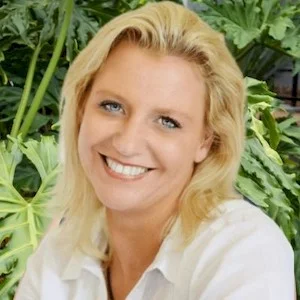
During the course of her career, she has combined her rich talent in psychology, coaching and facilitation with her acumen in human resources management to provide bespoke health, lifestyle and behavioural risk management solutions to organisations.
She is a registered counselling psychologist and completed her MSc in Counselling Psychology though the University of London Guildhall in 2001.
Kate is highly experienced in both clinical and human resource roles and combines the two in her current position.
She has over 18 years of multi-dimensional experience in the wellness field. Through this, she has developed a strong aptitude to motivate and train high performance teams and individuals to transfer skills and execute strategies effectively. At Changes, she brings these strengths to her management of our high-powered clinical team.
“Effective communication paves the way to a healthy and fulfilling life.”
Did you know Changes Rehab is accredited by all major healthcare associations and national health organisations and adheres to internal protocols that far exceed the codes of conduct or norms and standards for effective treatment of patients with addictions and other mental health issues.



Premium South African Medical Aid associations pay for patient treatment for the first 21 days in our private primary care facility in Johannesburg.
Changes addiction counsellors are registered professionals who use a proven track record and therapeutic techniques to help your loved one overcome their addiction. With expertise and compassionate approaches, we are able to guide individuals towards leading a healthy, normal life, free from addiction.
Confidential • Licenced • Support
Need help for yourself or a loved one?
Changes Rehab admissions for personal advice on treatment, medical aid or the next steps.
With over 100 years of collective experience, the majority of the Changes Multidisciplinary Addiction Counselling Team has faced addiction firsthand. They not only hold the qualifications but also possess the personal experience to truly understand and assist loved ones that are struggling through addiction. It is a privilege to work alongside some of the best counselling minds in South Africa.