







Comprehensive Addiction Treatment and Recovery in Johannesburg
Are you or a loved one ready to begin structured, multidisciplinary addiction treatment and compassionate recovery support in Johannesburg?
Our services
- Inpatient Programme
- Long-term Treatment
- Outpatient Programme
- Assessments
- Intervention
- Counselling
- Halfway House
- Aftercare
- Family Support
- Family Conjoints
- Co-dependency
- Couples Therapy
- Group Therapy
- 12 Step Support
- Workshops
- Creative Therapy
- Employee Assistance
- A six-week Treatment
- Drug Testing
- Recovery Coaching
Most people arrive at treatment believing the problem is the drug or the alcohol. But when the substance is taken away, what remains is the real story: trauma, fear, shame, loss, loneliness, depression, anxiety, codependence, emotional instability, unresolved grief, and the thousand small ruptures that shaped how a person learned to cope. Addiction is rarely the core problem. It’s the coping strategy that eventually consumed the person trying to survive their own internal world.
That’s why Changes doesn’t offer a single “treatment method”. We offer a clinical ecosystem, a multidisciplinary counselling team working at multiple levels of a person’s psychology, biology, functioning, and environment, because no one heals from addiction with just one professional, one theory, or one programme. People heal when every layer of their life is understood, stabilised, and rebuilt with the right combination of support.
Our services
Time for a Change?
Changes offers a full continuum of care in Johannesburg — from medically managed primary care rehab through secondary treatment, halfway housing and structured outpatient support.
Primary care rehab
Intensive, structured inpatient care with 24/7 nursing, medical oversight and supported detox where clinically appropriate.
Secondary-care programme
Step-down residential treatment focused on consolidating early recovery, routine and real-world coping skills.
Halfway house
Supported sober living with curfews, accountability and work-friendly structure while people rebuild life in recovery.
Outpatient & aftercare
Flexible therapy and groups so clients can continue working or studying while receiving ongoing specialist support.
Treatment Happens Across Disciplines
Addiction infiltrates every part of a person’s life, their nervous system, their behaviour, their thinking, their relationships, their coping mechanisms, their identity. Treating something that complex with a single professional would be irresponsible. That’s why Changes works with a team that mirrors the complexity of addiction itself.
The psychiatrists stabilise the mind and treat the underlying mental health conditions that often preceded the addiction by years. The psychologists work with trauma, emotional regulation, cognitive distortions, unresolved shame, and behavioural patterns. Social workers help repair family systems broken by secrecy, conflict, enabling, and mistrust. Occupational therapists rebuild functioning, routine, and executive skills that addiction eroded. Coaches help people take accountability, rebuild structure, set goals, and rediscover purpose. Recovery assistants provide real-time support, modelling stability during the emotional volatility of early sobriety. And the nursing and medical team keep patients physically safe and monitored as they stabilise.
When people say treatment “feels different” at Changes, it’s because every one of these disciplines is working together, in communication, focused on the same patient but from different angles. Addiction is multi-layered. Treatment has to match it.
We Meet People Exactly Where They Are
One of the biggest mistakes in addiction treatment is assuming all patients need the same things in the same order. Some arrive ready to talk. Others arrive unable to form a single honest sentence. Some arrive angry. Others arrive numb. Some are desperate to change. Others don’t yet believe they can. Real treatment works from reality, not expectation.
Meeting people where they are means adapting the approach to their actual capacity. A traumatised patient may not respond to confrontation. A highly defended patient may need boundaries before trust. Someone with severe anxiety may need stabilisation before insight work. Someone with no routine may need structure before trauma therapy. Someone with no coping skills may need coaching before introspection. Someone who has burnt every relationship they have may need social work intervention long before psychological depth work becomes possible.
At Changes, treatment is not about “fixing an addict.” It’s about helping a human being reclaim control over the parts of their life that addiction stole, at a pace and in a format that works for them.
Why Detox, Primary, Secondary, and Tertiary Are All Part of One Treatment System
Treatment at Changes is a continuum, not a quick fix. Each phase serves a different psychological purpose.
Detox stabilises the body so the mind can wake up. Primary treatment dismantles denial, exposes patterns, and builds the first layer of emotional structure. Secondary care deepens behavioural change by letting patients test their coping skills with more freedom and more responsibility. Tertiary care prepares them for the real world, slowly increasing independence while keeping sobriety safe. Outpatient, coaching, and aftercare then sustain that stability as the pressures of life return.
These phases aren’t separate programmes. They are parts of the same treatment arc, stabilise, understand, rebuild, practice, integrate. People who stop treatment after the first phase don’t relapse because they “failed.” They relapse because the treatment arc was left incomplete.
Over a century of experience
Our clinical team brings over 100 years of combined experience, so we recognise the patterns, cut through denial and focus on what actually works in Joburg, SA.
Decades of real-world practice mean we rely on evidence, not hype, tracking what works for patients and families instead of selling quick-fix promises for real.
Dual diagnosis expertise
We treat addiction and mental health together so your anxiety, depression or trauma are handled in the same plan instead of being ignored until you crash again.
Our psychiatric team aligns medication, therapy and daily structure so mood, sleep and sobriety stabilise together instead of flipping between crisis and chaos.
Covered by medical aid
We are a dual-licensed rehab and private hospital, so our admissions team works directly with S.A. medical aids to secure fair funding and avoid surprise bills.
You get clear, upfront information on cover, co-payments, and length of stay, so there are no nasty financial shocks while you’re trying to stabilise your life.
The Counselling Matrix
There is no single “right way” to heal from addiction. Some people connect instantly with one-on-one counselling. Others open up more in group therapy. Some need trauma work before anything else makes sense. Others collapse under trauma work if done too early. Some patients thrive in 12-step environments, connecting to community and accountability. Others feel safer in clinical structures and evidence-based modalities. Some stabilise quickly. Others need long-term containment.
The job of the multidisciplinary team at Changes is to identify what actually works for each specific person, not what worked for the last patient, not what the textbook recommends in a vacuum, and not what the family demands out of panic. Effective treatment is precise. It’s tailored. It’s responsive. And it changes as the patient changes.
Treatment isn’t just counselling. It’s the entire matrix of disciplines adjusting around the patient’s progress, resistance, stability, instability, insight, avoidance, strengths, and needs.
Why Addiction Is a Symptom
At least half the patients who arrive at treatment have another mental health condition running parallel to their addiction, anxiety, depression, PTSD, bipolar disorder, personality adaptations, trauma responses, attachment injuries. Others have lived through neglect, chaos, emotional abandonment, abuse, or relational instability that has shaped how they handle stress, connection, and vulnerability.
Addiction grows in those emotional gaps. It becomes the solution long before it becomes the problem. That is why treating addiction without treating the underlying system that fed it never works. You can take the substance out of a person. But if you don’t understand what the substance was doing for them, they will find something else, gambling, relationships, food, chaos, work, self-harm, to fill the same function.
The team’s role at Changes is to identify those drivers and help patients build internal stability so addiction no longer feels necessary for emotional survival.
Recovery Is Not a Formula
Treatment at Changes is not about turning people into “good patients.” It’s about helping them become people who can live without collapsing into old patterns. Recovery is a skill, not a feeling. It comes from emotional regulation, self-awareness, accountability, structure, community, insight, boundaries, and the ability to tolerate discomfort without reaching for escape.
Different people build that capacity in different ways. Some find it through therapy. Some through coaching. Some through community. Some through structure. Some through spirituality. Some through rebuilding family relationships. Some through trauma work. Some through psychiatric stabilisation.
Recovery succeeds not because someone follows a programme perfectly, but because their treatment was built around their real life, real needs, and real psychology.
The Multidisciplinary Team
People don’t heal from addiction in isolation. They heal in relationship with the people helping them, the counsellor who sees the denial, the psychologist who sees the trauma, the psychiatrist who stabilises mood, the nurse who sees the early warning signs, the recovery assistant who catches the subtle behavioural shifts, the social worker who sees the family dynamic, the coach who keeps the person grounded in routine, and the peers who recognise the emotional patterns long before the patient can articulate them.
A single professional cannot hold all of that. A multidisciplinary team can.
At Changes, every discipline speaks to each other, collaborates, and works from a shared clinical understanding. That’s why treatment here feels comprehensive, because it is.
We Don’t Try to Fit People Into Treatment, Treatment Takes Shape Around the Person
People get better when treatment matches who they are, not who the world expects them to be. Some people need intensity. Some need gentleness. Some need confrontation. Some need containment. Some need long-term structure. Some need short-term stabilisation. Some need full immersion. Some need outpatient flexibility. Some need the recovery community. Some need clinical distance from it.
Our job is not to dictate the path.
Our job is to help the person find the path that actually works, for them.
Because recovery isn’t about becoming someone new.
It’s about gaining the capacity to live as yourself, without addiction running your life.
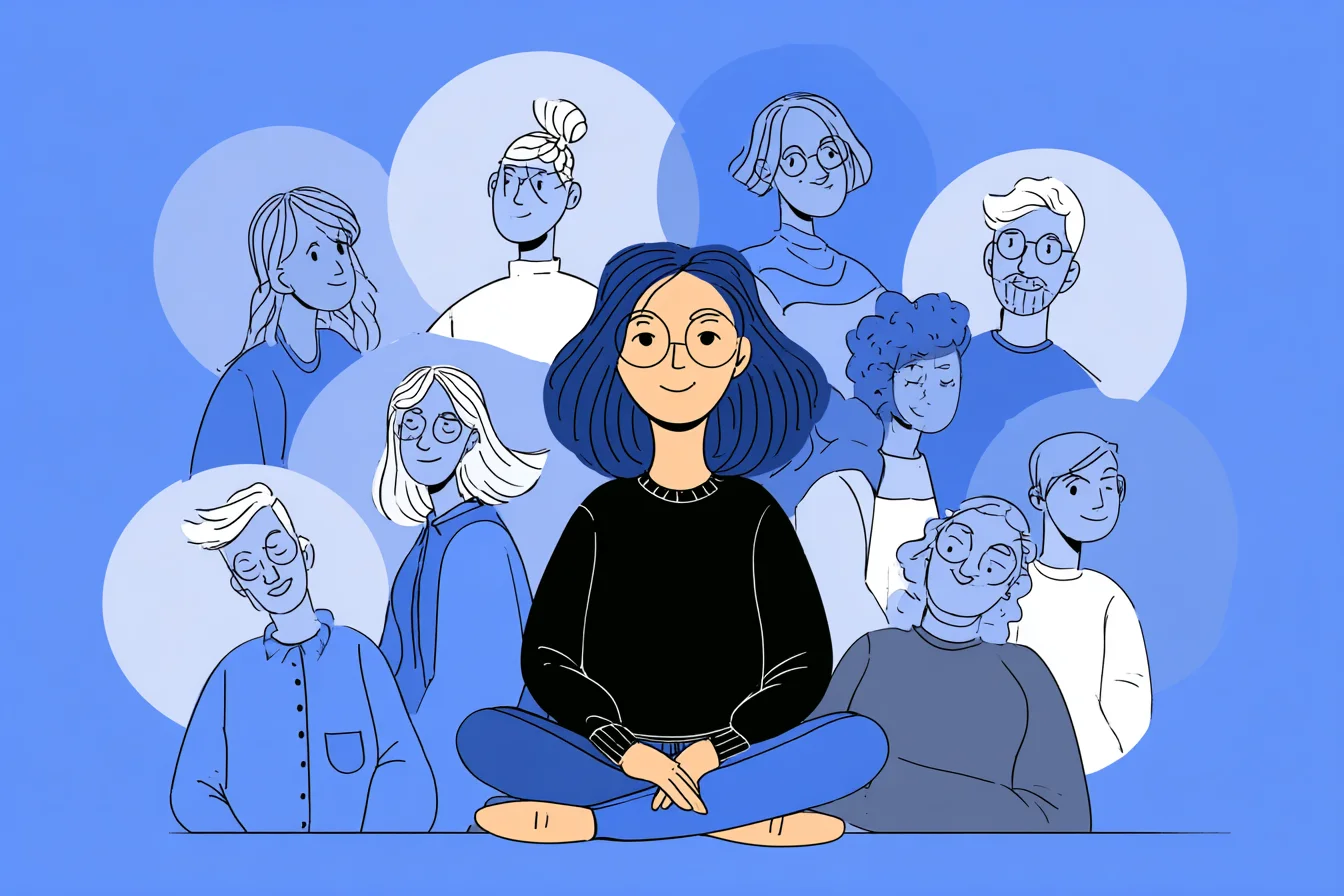
Serious addiction is a medical problem, not a moral failure.
Changes is a licensed detox and treatment facility with medical, psychiatric and counselling teams working together. We focus on stabilising health and behaviour, not judging people.
Facilities
If you’re helping someone take the first step, our Johannesburg locations offer the right level of care at the right time: primary care for detox and stabilisation, secondary care for deeper work, and sober living for safe reintegration—each supervised by experienced clinicians.
Not sure where to start? Our FAQ answers urgent questions for families: admission timing, detox safety, what to bring, visiting, confidentiality, and medical aid. Each quick answer links to an in-depth guide so you can make calm, informed decisions today. See common next steps and what happens on day one.
Recovery is personal—so is our team. Meet the counsellors, nurses, psychiatrists, and recovery coaches who support patients and families from the first call through aftercare. Learn how we coordinate care, communicate progress, and build a plan that actually works at home, not only in treatment.
We combine individual, group, and family sessions to address denial, cravings, and relapse risks. Therapy is practical and trauma-informed, focused on skills that hold outside the clinic: boundaries, communication, routines, and support. See how counselling fits into each level of care and what a typical week looks like.
Recovery isn’t one-size-fits-all. Explore how detox, primary care (21–42 days), secondary care, outpatient, and aftercare link together. We match intensity to need, then taper support as stability grows— with checkpoints for families and clear goals at every stage.
Families need tools too. We coach loved ones on boundaries, communication, and relapse warning signs, so support doesn’t become enabling. Learn how to take care of yourself while staying connected—and how our family sessions fit into the weekly programme.
When residential care isn’t possible—or as a step-down—outpatient provides structured therapy, accountability, and community while living at home. Evening groups, individual sessions, and recovery tasks keep progress on track around work or study.
Most South African medical aids fund addiction treatment. We help you confirm benefits, complete pre-authorisation, and gather clinical documentation fast—so admission isn’t delayed. See what schemes cover, typical limits, and how we coordinate approvals.
We’re transparent about fees and what’s included at each level of care. Learn how costs align with medical aid benefits, what to expect at admission, and practical options for planning the first 30–90 days.
Simple, structured stepwork helps patients turn insight into habits—daily routines, accountability, and community. See how assignments, sponsorship, and group feedback build momentum that lasts beyond discharge.
People choose Changes for experienced staff, trauma-informed care, and a clear path from crisis to stability. We focus on practical change—skills that hold at home—and stay involved with aftercare so recovery has support where it matters most.