






Meet your counsellor
Sheryl Rahme
Sheryl Rahme brings four decades of clinical director expertise in addiction treatment to deliver family focused care that improves recovery outcomes.
Talk to our admissions team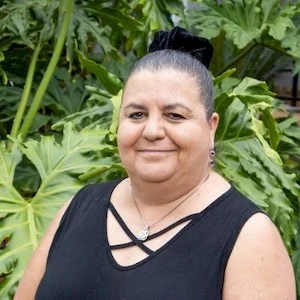
Sheryl entered the addiction help field in 1984 when she joined the Toughlove organisation that offers effective support to families dealing with an addicted loved one. She became both chairperson for the organisation as well as International Representative for Toughlove International.
Back then there was only one operational treatment centre in the country. One of the only healthcare professionals in the addiction treatment field, clinical psychologist Kevin Standish, offered to train Sheryl and did so for roughly 10 years. In the mid-1990s treatment centres began to open around the country offering South Africans help on a broader scale for the first time. Standish encouraged Sheryl to open a rehab centre. Limited funds meant she started with the creation of an outpatient programme called First Step Drug and Alcohol Outpatient Programme.
In 2008 she registered a cc called C.H.A.N.G.E.S from which to run a counselling practice as well as the outpatient programme. In 2013, CHANGES opened up an inpatient programme in addition to the established outpatient one.
She has been in stable recovery from active addiction for 23 years.
“If you are willing to do what it takes, then I challenge you to do the one thing that will help. Change yourself and fully commit to the recovery process.”
Did you know Changes Rehab is accredited by all major healthcare associations and national health organisations and adheres to internal protocols that far exceed the codes of conduct or norms and standards for effective treatment of patients with addictions and other mental health issues.



Premium South African Medical Aid associations pay for patient treatment for the first 21 days in our private primary care facility in Johannesburg.
Changes addiction counsellors are registered professionals who use a proven track record and therapeutic techniques to help your loved one overcome their addiction. With expertise and compassionate approaches, we are able to guide individuals towards leading a healthy, normal life, free from addiction.
Confidential • Licenced • Support
Need help for yourself or a loved one?
Changes Rehab admissions for personal advice on treatment, medical aid or the next steps.
With over 100 years of collective experience, the majority of the Changes Multidisciplinary Addiction Counselling Team has faced addiction firsthand. They not only hold the qualifications but also possess the personal experience to truly understand and assist loved ones that are struggling through addiction. It is a privilege to work alongside some of the best counselling minds in South Africa.