






Often people trying to find recovery from opiate addiction, find themselves grappling with other mental health challenges. These Co-occurring Disorders in Opiate Addiction Recovery are not mere coincidences but are part of the complex web of factors that contribute to addiction. This is also referred to as a dual-diagnosis.
Just as British actor and comedian Russell Brand emphasizes in his perspective on addiction, it’s vital to understand addiction as a disease, but also address underlying issues. This perspective shifts our focus towards addressing the deeper issues contributing to addiction, including these co-occurring disorders.
The Link Between Opiate Addiction and Co-occurring Disorders
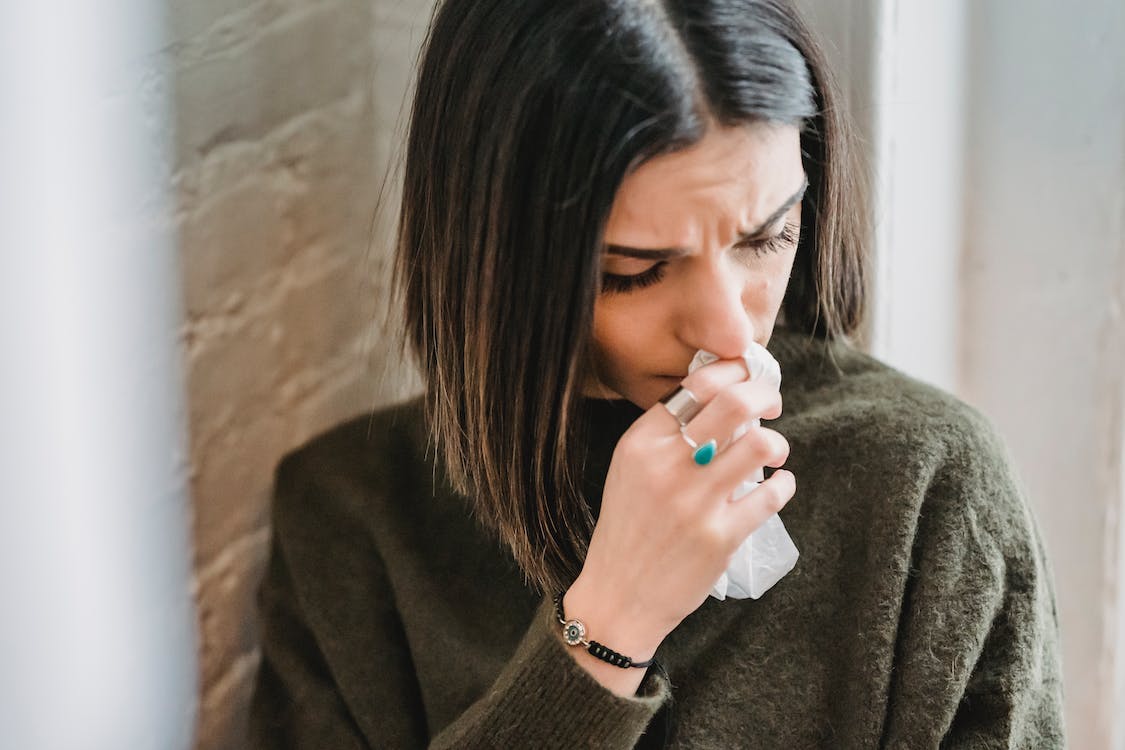
Co-occurring disorders are common among individuals struggling with opiate addiction. It may not be entirely clear whether the addiction led to the mental health disorder or vice versa, but what’s certain is the reciprocal relationship between the two. For instance, if you’re experiencing anxiety or depression, you might turn to opiates as a form of self-medication. Conversely, prolonged opiate use can trigger or exacerbate existing mental health conditions.
Addressing Co-occurring Disorders in Recovery
The simultaneous presence of opiate addiction and a co-occurring disorder calls for an integrated approach to treatment. At Changes Rehab, we don’t just focus on the addiction itself, but also address the underlying mental health issues. We employ a range of therapies to suit your unique needs and circumstances, from Cognitive Behavioural Therapy (CBT) to Dialectical Behavior Therapy (DBT) and holistic therapies.
It’s important to note that the process is not a linear one. You may experience fluctuations in your mental health during recovery, and that’s perfectly okay. Our team at Changes Rehab is here to support you through these ups and downs, adjusting your treatment plan as necessary to ensure your recovery journey remains on track.
Practical, Evidence-Based Counselling
Skills for cravings, triggers, and communication are practised in and out of sessions.
Embracing Recovery
The road to recovery from opiate addiction and co-occurring disorders is not easy, but it is absolutely possible. The process requires not just physical detoxification, but also a deep dive into your mental and emotional well-being. At Changes Rehab, we’re here to guide and support you every step of the way, providing the tools and resources you need to embrace recovery and regain control over your life.
Frequently Asked Questions
Q: What are co-occurring disorders? A: Co-occurring disorders refer to the simultaneous presence of a substance use disorder and a mental health disorder.
Q: How common are co-occurring disorders among individuals with opiate addiction? A: Co-occurring disorders are quite common among individuals with opiate addiction. However, the exact prevalence can vary depending on the specific mental health disorder in question.
Q: Why is it important to address co-occurring disorders in opiate addiction recovery? A: Addressing co-occurring disorders is crucial as these mental health issues can significantly influence the course and prognosis of opiate addiction.
Q: What types of therapies does Changes Rehab offer for co-occurring disorders? A: Changes Rehab offers a range of therapies tailored to the individual’s needs, including Cognitive Behavioural Therapy (CBT), Dialectical Behavior Therapy (DBT), and holistic therapies.
Q: Can I still receive treatment from Changes Rehab if I have a co-occurring disorder? A: Absolutely. Changes Rehab is equipped to handle co-occurring disorders and will tailor your treatment plan accordingly.
Q: How can I support a loved one with opiate addiction and a co-occurring disorder? A: You can support your loved one by encouraging them to seek professional help, providing emotional support, and educating yourself about addiction and co-occurring disorders.
Q: Can I fully recover from opiate addiction and a co-occurring disorder? A: Yes, recovery is absolutely possible. It may be a long journey, but with the right support and treatment, you can overcome both opiate addiction and co-occurring disorders.
Q: Will my treatment plan change if I have a co-occurring disorder? A: Yes, your treatment plan at Changes Rehab will be adjusted to address both your opiate addiction and any co-occurring disorders.
Q: What happens if my mental health worsens during treatment? A: If your mental health worsens during treatment, the team at Changes Rehab will be there to provide the necessary support and adjust your treatment plan as necessary.
Q: Where can I find more resources on opiate addiction and co-occurring disorders? A: You can find more resources through Changes Rehab, as well as various online platforms dedicated to addiction and mental health education.
Addiction is a primary brain disease (meaning it needs to be dealt with first), but we also need to address the contributing factors. Co-occurring disorders play a significant role in the genesis and perpetuation of addictivebehaviourss, and addressing these disorders is a crucial part of the recovery journey. At Changes Rehab, we’re committed to guiding you through this process, providing comprehensive, tailored treatment to help you overcome opiate addiction and co-occurring disorders and live a fulfilling, healthy life.
Co occurring disorders can derail opiate addiction recovery but integrated mental health treatment and medical aid support improve long term outcomes.. Changes team counsellors are here to help you.Co Occurring Disorders Hindering Opiate Addiction Recovery